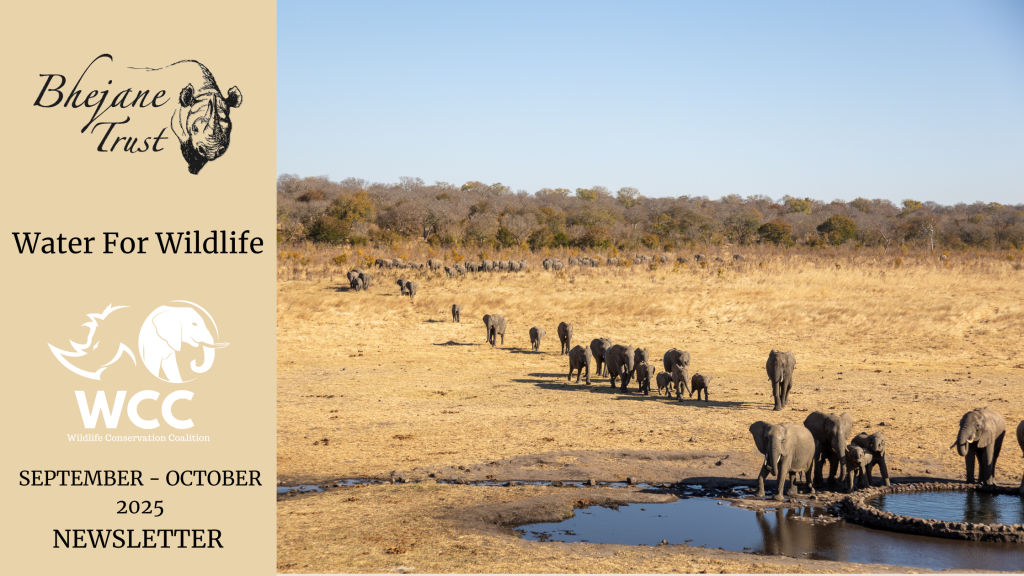
Bhejane Water For Wildlife Update September to October 2025
Much has happened on the Water for Wildlife front since our update in August. With temperatures souring well above 40 degrees Celsius, our teams have been extremely active ensuring that life giving water keeps flowing for the many animals that depend on it.
Game counts, system upgrades and the inevitable repairs and maintenance dominated our efforts over this period. The biggest news however is the return of the rains. We have been blessed with some early storms across the landscape and the change in the bush is rapid and dramatic. Forecasts suggest that these are not anomalies, and indeed the season has started, with rain expected for the foreseeable future now.
This is always a momentous occasion for us as it signifies another successful season of providing vital Water for Wildlife. The shear relief on show by the animals is something to behold, rejoicing after months of challenge. The land responds almost instantly, with the bare mopane trees sprouting new green leaves almost overnight and bursts of colour return to the dusty arid landscape.
The herds too have already started to move off. A recent trip through Hwange yielding less than 10 elephants over 3 days and almost 200 kilometres. Compared to the drought of last year, this year has felt like a breeze and we remain hopeful for another year of fantastic rain.
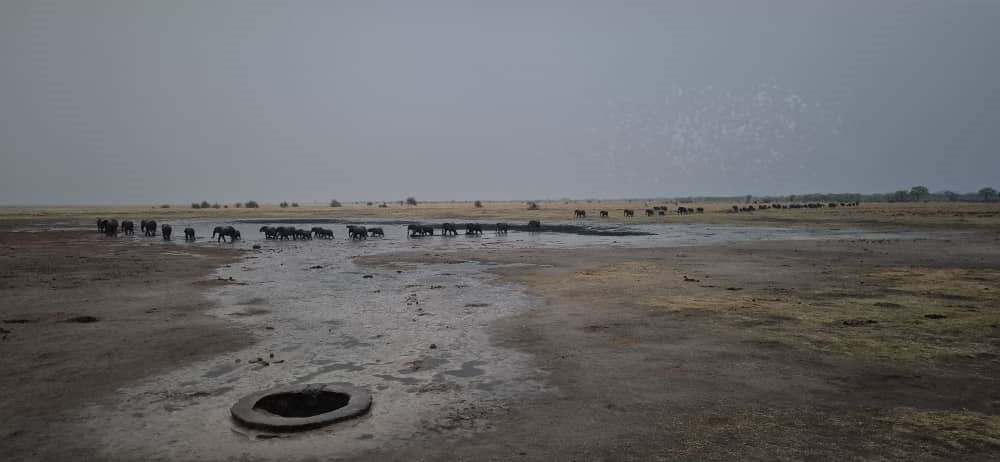
KAZUMA NATIONAL PARK
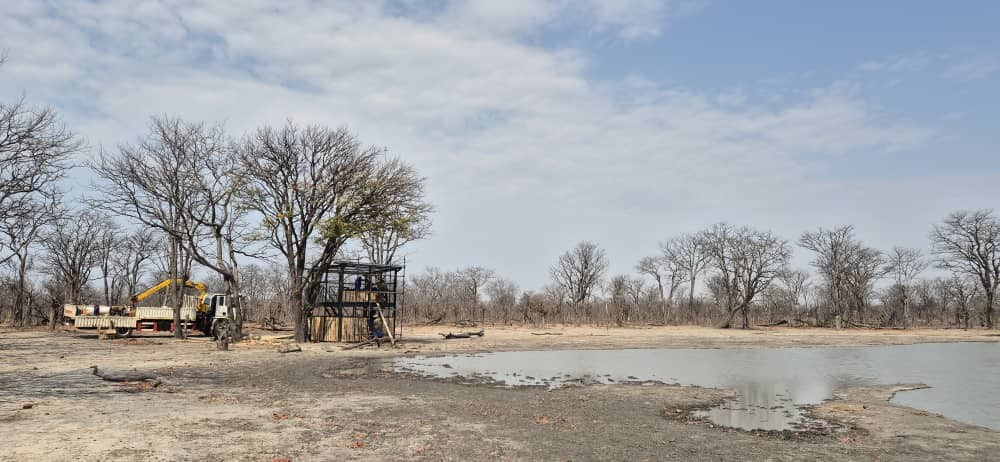
Some big news coming out of Kazuma recently. Roan pan is now the very proud owner of a viewing platform! A massive thank you to Andrew Brown, Trevor Lane, Colin Wilson and Nigel Theison for this incredible addition to the Park.
It’s been a weird season for Kazuma this year. Whilst game viewing during the dry months is always exceptional, it has been a little quieter compared to previous years. We have put this largely down to the great rains that we had in the 2024/2025 season and the abundant natural water that remained almost the entire season. The reduction in animal sightings may also have something to do with regular visits by a pack of wild dogs. Chaos descends on the depression when these guys are around and spook a lot of the plains game into the trees.
The Bhejane annual game count on the 6th of September further represents a quieter year for Kazuma. 2024 (a drought year) saw a grand total of 3070 mammals counted across 32 different species. 2025 recorded 1396 mammals counted across 26 different species, the second lowest count in humble 5 years. A very vivid example of the effect that the amount of rain has within the wild landscapes, and the movement of animals.
A massive thank you to all the counters and we are very pleased to say that this is the first year that we have had all pans counted. This data is hugely helpful in understanding the pressure that the waterholes come under during the dry months.
With only a couple of minor repairs required at Roan Pan, our water infrastructure has held up well. With the rains now upon us, we can safely say that we have made it through the dry season unscathed.
ZAMBEZI NATIONAL PARK – CHAMABONDA
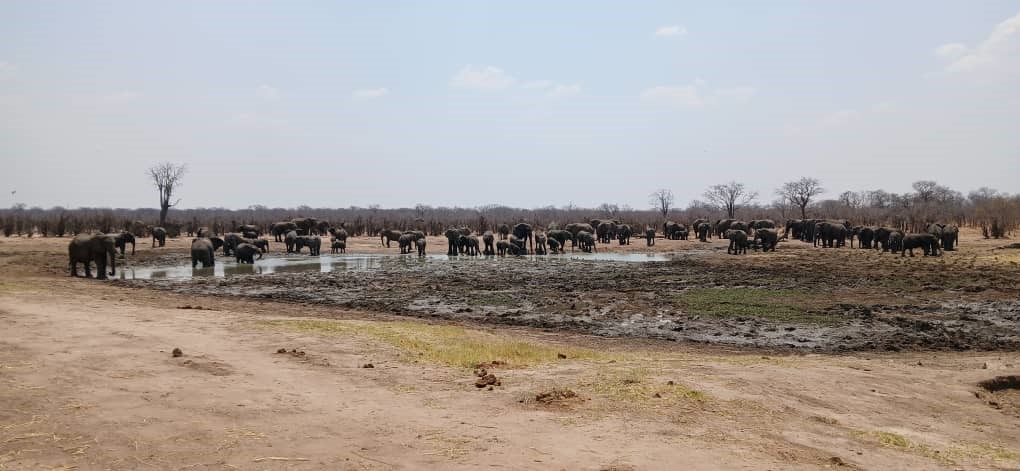
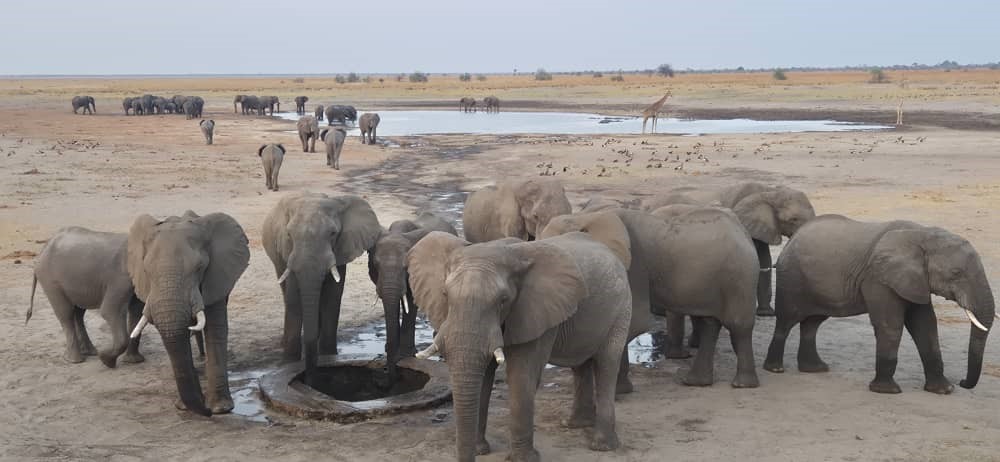
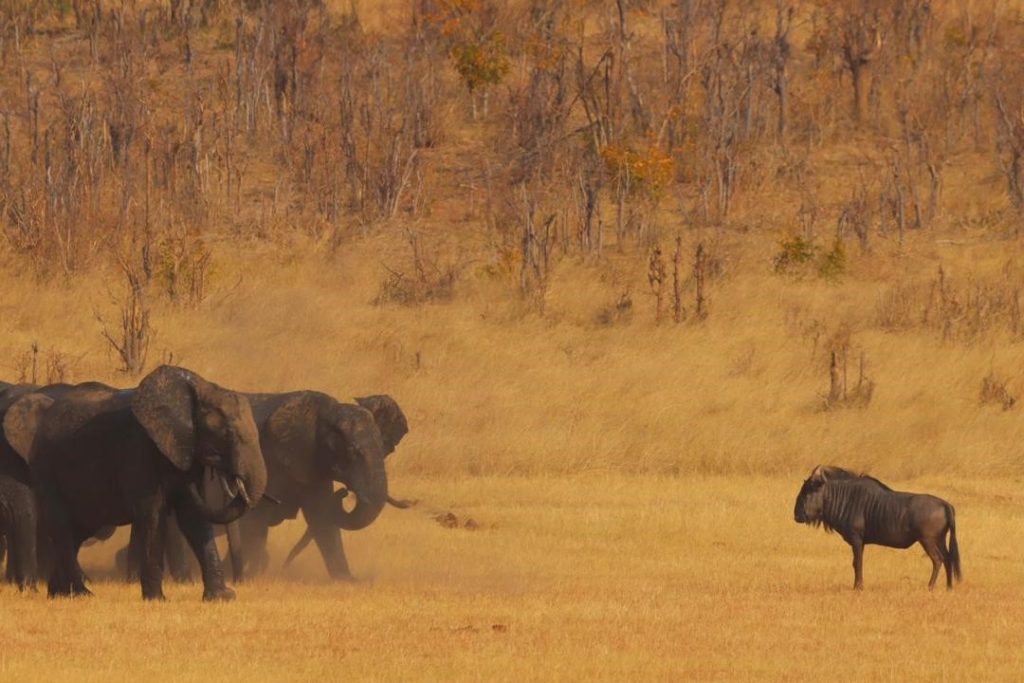
In complete contrast to Kazuma Pan National Park, the Chamabonda has been teeming with wildlife over the last couple of months. With little natural water in this area, our pumped pans are the only source for animals to drink. This has made for exceptional game viewing with herds of elephant and buffalo a daily occurrence.
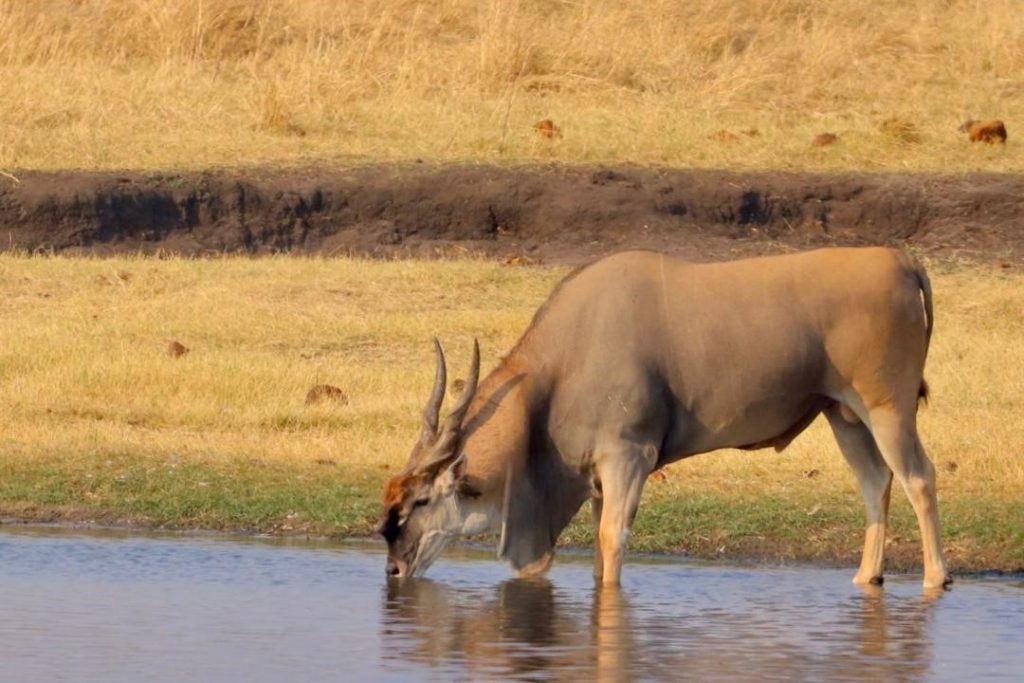
The roan that appeared a couple of months ago seem to have moved off and haven’t been sighted recently. However, we are very happy to report a decent herd of eland frequenting the vlei, a good 30 strong!
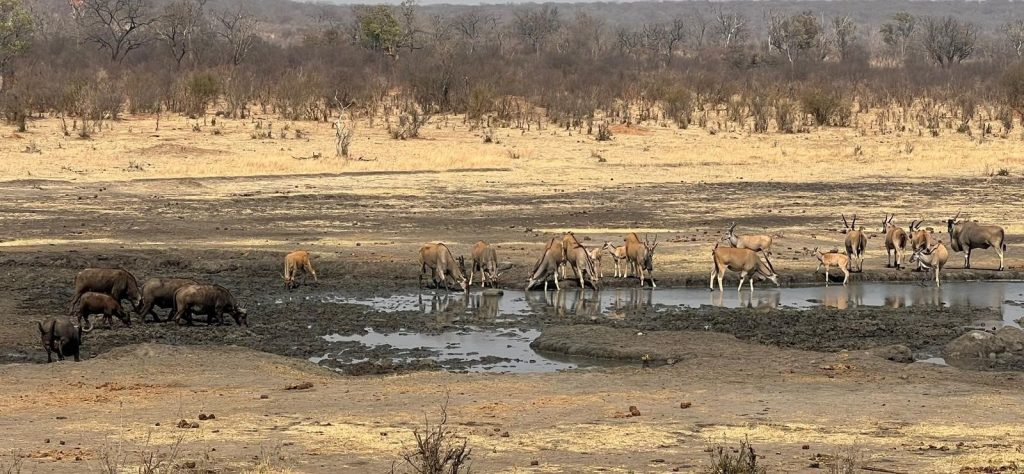
The 2025 annual Bhejane Game Count further reflected the incredible wildlife haven that the Chamabonda has become over the last decade or so. 2025 counted a total of 2998 mammals across 24 species, up about 150 from last year, and the largest number of mammals counted to date.
Again, a massive thank you to all the counters, with every pan in the Chamabonda and Kalisosa Vlei ecosystems counted this year.
The last couple of months have seen some work being done to the roads within the Chamabonda. Our great desire is to have access to the vlei all year round. Whilst this has mostly been the case, the terrific storms of last rainy season certainly did a number on the roads in. Mike Karassellos, came to the party and has done wonders on the access road in from the Chamabonda gate. In return for his being allowed to cut and bail the grass on the vlei, his grader has been hard at work ensuring the roads remain accessible.
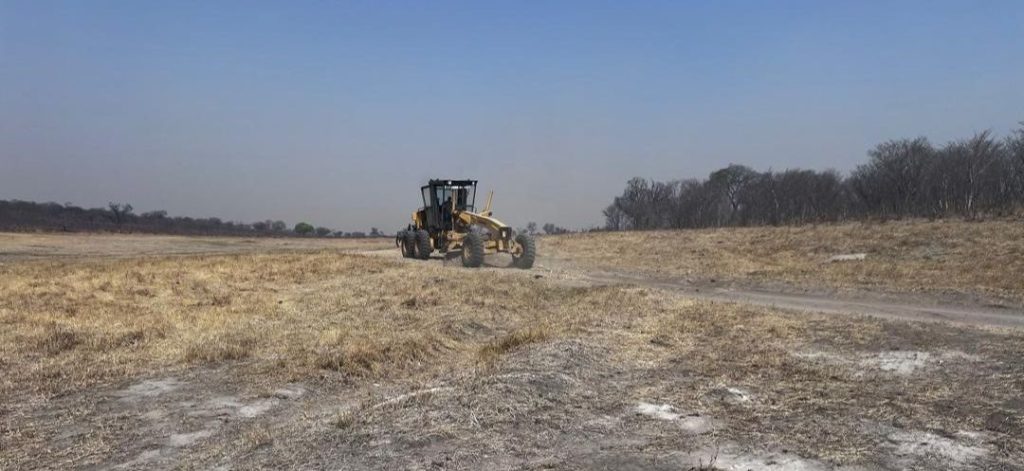
From a water for wildlife point of view it’s been a great couple of months for us. One of the systems at Chamabonda 1 had a breakdown. Sadly it was the better performing of the two systems there. With it not providing water for just under a week, combined with the significant drinking pressure this pan gets, the level of the dropped significantly. Whilst we attended to the problem quickly and had everything back up and running, we have struggled to get the pan to fill.
However, with a couple of decent storms in late October, the pan is looking good again, and the drinking pressure has reduced drastically. Other than that, all our other water points have held up well and managed to deliver more water than was being consumed. Pans remained at healthy levels, and the herds descended day after day to quench their thirst.
The Chamabonda has become a prime wildlife ecosystem over the years, a living testament to how important water is and the life that it brings to an area. Each year we continue to see changes with animals shifting further up the vlei, and sightings of new species. Over the next few years we hope to boast herds of Roan, Tsessebe and even the odd ostrich!
HWANGE NATIONAL PARK – ROBINS & SINAMATELLA
Game viewing in Hwange has been nothing less than spectacular during the last couple of months. The Robins area in particular has offered some incredible sightings with lions almost at every waterhole, cheetah being seen regularly around salt pans. Even leopard and Wild Dog have been making a regular appearance.
With the fantastic grazing available as a result of good rains last year, the plains game have done very well. This dry season in particular is far milder than previous years. Long may it continue! It’s been a busy couple of months for our Water for Wildlife teams in Hwange with some necessary upgrades being made to several systems and the constant repairs and maintenance work that comes with the season.
We reported on the return of the elephant herds towards the end of August. This continued in earnest throughout September. Whilst it is a little later than expected, and largely thanks to the late rain we had, their return was inevitable. With it, came the increased drinking pressure as well as the tampering of our pipelines.
Our teams attended to no less than 6 pipe breaks that had been fiddled with by these massive pachyderms. No matter how deep we put them, or how much protection we give them, the elephants always manage to find them. It just one of the challenges we face when pumping significant amounts of water!
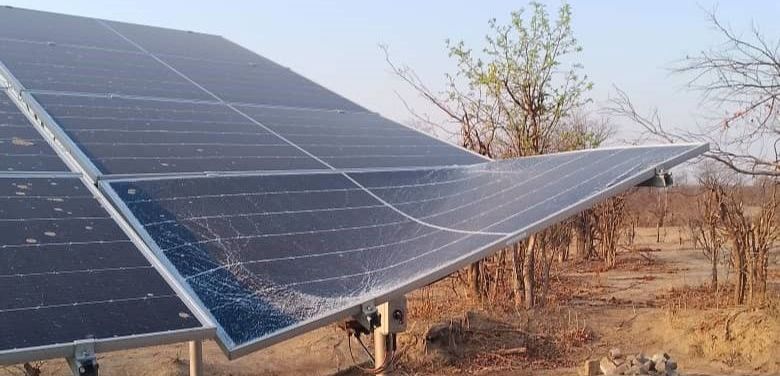
Mashambo took the brunt of the issues. Being one of the first systems we installed the panels are directly above the borehole. This is logical from a cost effectiveness point of view as we use less cable. But if the elephants decide they like the smell of the water at the top of the borehole, a flimsy solar panel won’t stop them. This is exactly what happened at Mashambo. Fortunately, the system is still working, but we have it on our program for next year to put the panels a little further away from the pipeline.
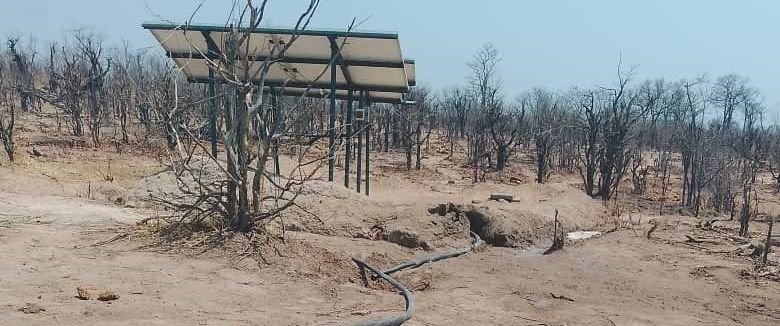
Despite the renovation of an additional borehole, and ample water going into Mafas pan, the elephants still decided that they preferred water directly from the pipe. Fortunately, they tampering didn’t affect the actual system itself, and we managed to replace the 50 odd meters of pipe they pulled up. Always fun games when the Jumbo are around!
The team spent a fair bit of time in the back area of Robins over the last few months. With Manzibhovu and Mahaboti both having received battery systems this year we have been tinkering with a few things and monitoring their performance to ensure maximum delivery of water to these vital pans.
Mahaboti got a brand new set of solar panels. The current ones were pretty old, and with the rapid advancements in solar technology, we were able to replace the same number of panels, but almost double the power generation. This was necessary given the extended pumping time thanks to the battery system. The team spent a few days camping at the site and reported that there was not a single moment where they did not witness at least one elephant at the pan. A significant example of how important this water is for animals in these rugged back areas.
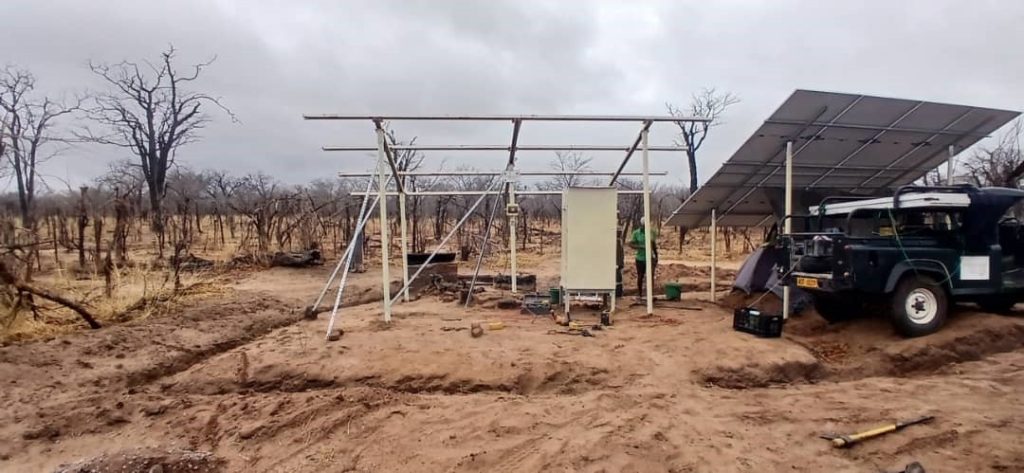
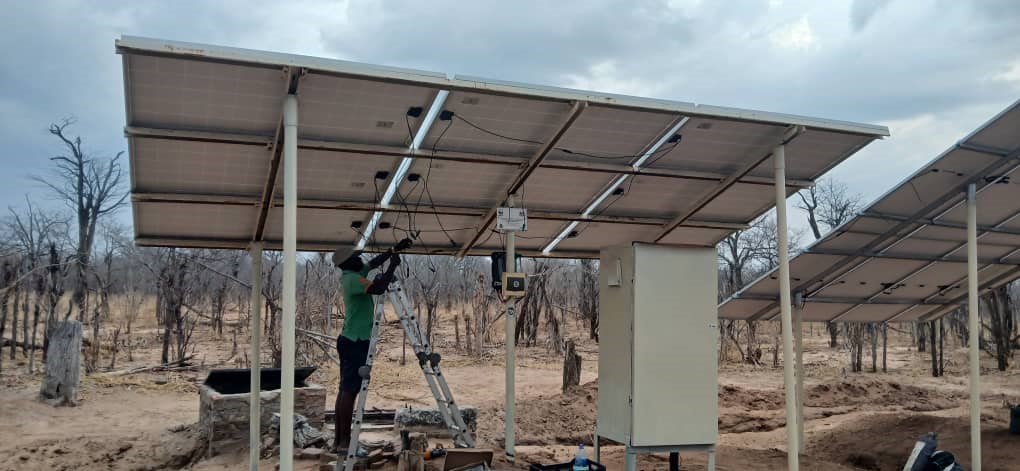
Manzibomvu also had a bit of an upgrade. We weren’t happy with the amount of water that it was producing. Our data collection and stats suggest that this hole can deliver a lot more water than it actually was.
We opted to upgrade the entire underground system and put a bigger pump and motor down the hole. At the same time we replaced the entire length of rising main pipe as it had been repaired many times before. Each join becoming a weak spot and a potential place for the pipe to burst. It’s no small feat hauling a pump and motor up from over 100 meters underground but the team did a sterling job and successfully installed the new piping, complete with a new pump and motor.
We are very pleased to say that these upgrades combined with the battery system is producing some excellent water to this hugely important pan.