Victoria Falls Anti-Poaching Unit April – May 2026 Update
After a period of relative peace, the last two months have seen a drastic increase in the threat to our wildlife in Victoria Falls. A stark reminder that poaching is everpresent and our work in the bush is vital in ensuring that the wildlife we share our home with are protected.
This increase is not completely unexpected. Dry season is traditionally a higher poaching period than the wet months. Animals congregate around dwindling resources and make them an easier target. History has shown that this threat will only continue to increase in the months ahead.
What has been of interest is the targeted species. Thanks to a fantastic rainy season, the guinea fowl and and other game bird populations have boomed. A quick look at the many flocks that live around us show a multitude of near adult chicks. Thriving off the abundant food and water that comes with a bumper season. Much of the threat we have mitigated over the period have targeted these animals.
Warthog continue to feature highly on the target list. They have begun their seasonal movement into the City, with more regular sightings of them on the streets. Sadly, we lost two warthogs to poachers in the last two months.
In addition to the animals targeted above, we have seen an increase in the arrests made for firewood, in particular those apprehended for cutting down live trees. As the winter cold begins to bite the demand on this fuel source is increasing.
Whilst it has been a busy period, the response from the team has been excellent. The losses are hard but the wins help to make up for it. Arrests not only remove a known culprit from the system for a while, but send a strong message to other poachers.
We remain extremely grateful for the incredible support that we receive. The threat pressure has been low, but the sharp increase in April and May highlights the constant pressure our wildlife is under. The dry season kicking in, coupled with challenging economic conditions suggest place our animals at greater risk. Your help is needed now more than ever!
STATISTICS
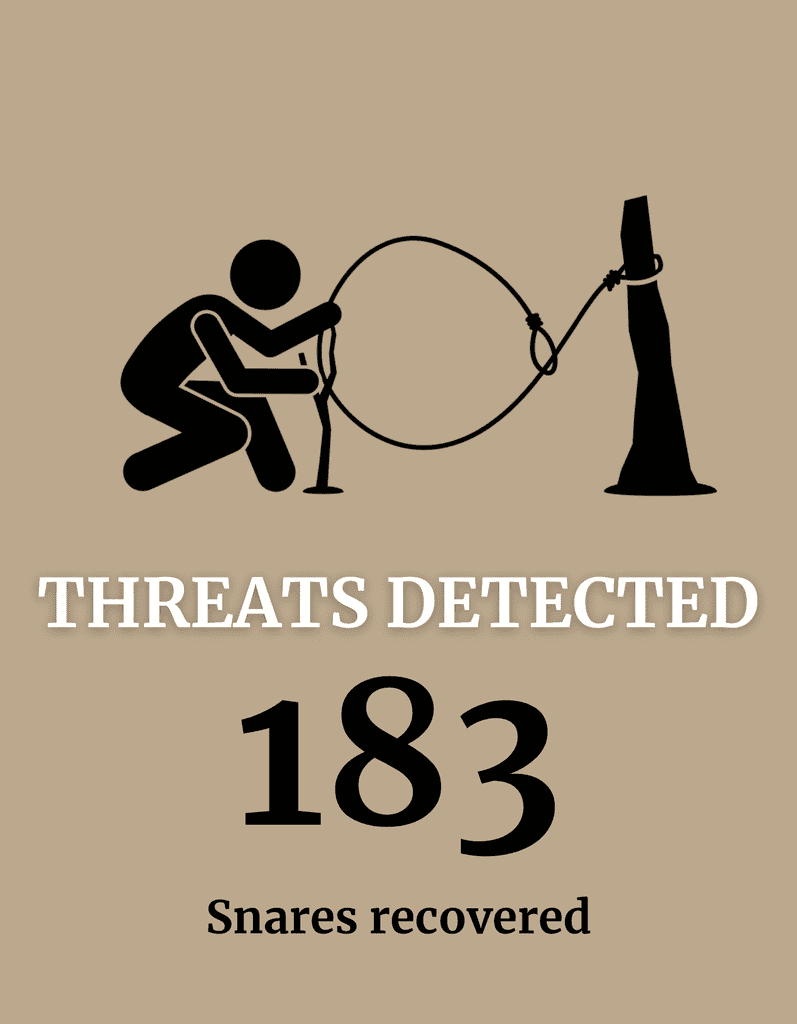
A significant increase in the number of snares recovered and incursions detected this month. The vast majority of snares recovered however, came from a single incident.
On a routine patrol, the team came across fresh poacher spoor. Upon investigation they discovered a cluster of small snares, set amongst the pathways within the area. Soon it became apparent that there were several such clusters spaced over nearly 1 kilometre. Immediately backup was called due to the expanse of the area. A plan was hatched and ambushing began in the hopes of catching the culprit.
For four days the teams remained motionless, staking out the snares. Unusual for a poacher not to check his snares more regularly, we had lost hope that he would return and believed our operation to have compromised. Then, just when we were about to abandon the ambush and retrieve the snares, he appeared. The team lay motionless waiting for the right moment. The suspect, unaware of our presence began setting additional snares. The team pounced and he was apprehended. A full sweep of the area was done where a total of 148 snares were recovered.
In addition, the team found evidence of at least 4 guinea fowl and 1 francolin that had been caught in these traps. Whilst the target species is smaller animals, each one of these deadly traps has the potential of causing immense suffering for a wide range of animals. This proved to be true with the discovery of not 1, but 3 baboons in distress caused by snares wrapped around some part of their body.
This further highlights the unselective nature of these deadly traps and how much devastation they can cause within the landscape.
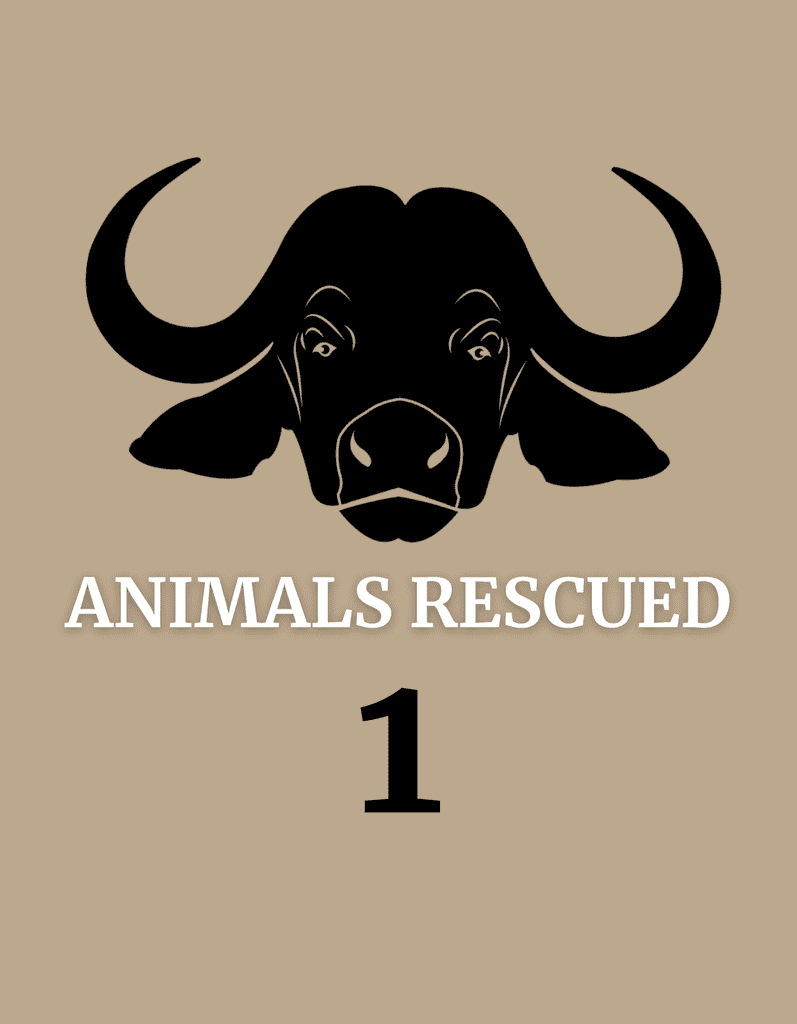
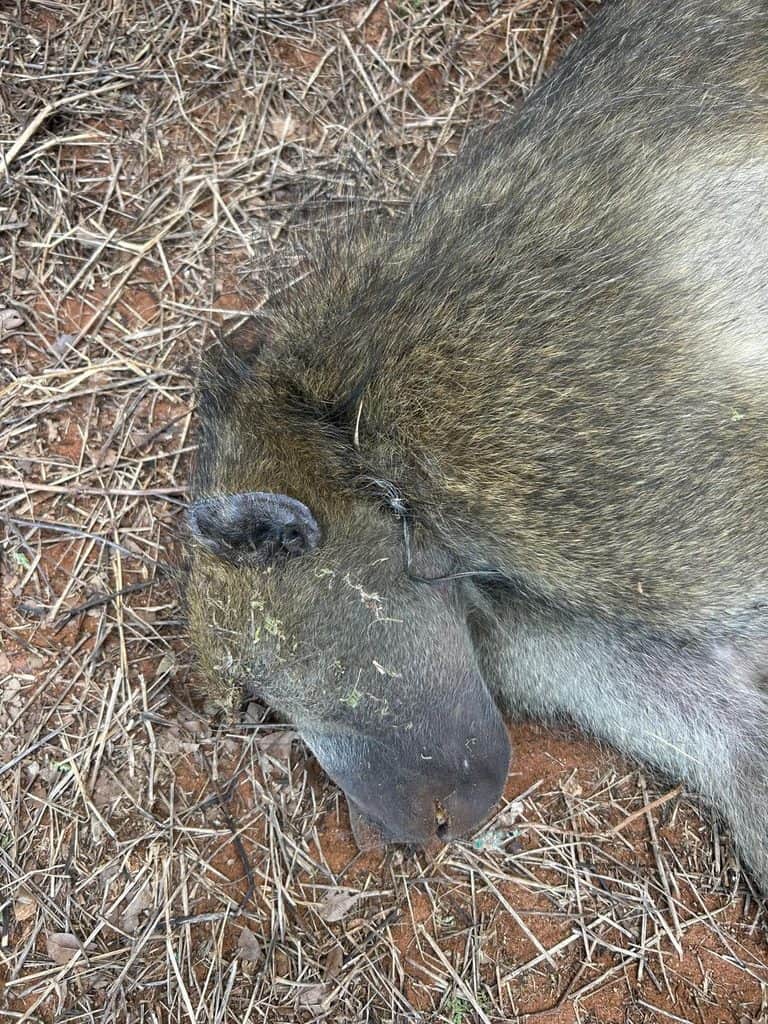
We have very proudly recorded zero in this statistic category for several months. However, like a wave, we have been hit with multiple threats. With great appreciation to the Victoria Falls Wildlife Trust, an adult male baboon was successfully darted and rescued with a snare tightly constricted around his neck. Set for small prey and undoubtedly picked up on one of his foraging forays.
Sadly, he is the lucky one. In the last 2 months we have received reports of no less than 5 other animals that have been seen with snares on them. 2 additional baboons, 1 impala, 1 giraffe and 1 zebra. Other than the baboons, the other animals are deeper into the Park and outside of our primary operation area, but highlights the wide range threat that our animals face.
Carcasses Discovered: 6
Cause of Death: 2 Warthog- Caught and killed by Poachers.
2 Buffalo- Caught and killed by poachers
2 Elephant- Died of Natural Causes.
1 Kudu- Killed in the Township.
Multiple Guinea Fowl and Francolin- killed by Poachers
It is always a bitter pill to swallow discovering animals that have been caught and killed by poachers and this period has been particularly tough. Whilst the majority of the threat has been focused on smaller animals, we have reacted to 3 large mammal poaching incidents during the last 2 months.
The first, as the discovery of the fresh remains of an animal not far from the Victoria Falls rainforest entrance. Further investigation discovered that a warthog had been caught and killed whilst making its way to a well used wallowing puddle. It is clear that the movements of this animal were known by the culprit, who used the quiet of the early morning to lay his trap and commit this crime.
Full moon presents a challenging time for our team. With the significant light given off, poachers use this to their advantage to hunt animals. Over just a few nights we lost a warthog out of a drainage line within the suburbs of Victoria Falls, as well as two buffalo less than 1 kilometer into the Park. Evidence on the ground showed that the buffalo were killed using the “herding” method of poaching where snares are set and the animals are chased into them. Signs suggested that the poachers attempted at least 3 times to catch these animals, and finally found success ensnaring not 1 but 2 in a single hunt.
Sadly, with the boom of game birds, the vast majority of the animals poached were guinea fowl and francolin. Our teams discovered no less than 11 of these birds caught and killed by poachers. Some still trapped, and others in follow up investigations after arrests had been made.
Again, whilst these small animals may be the intended target, the methods used in which to catch them have significant implications for a wide range of other animals.
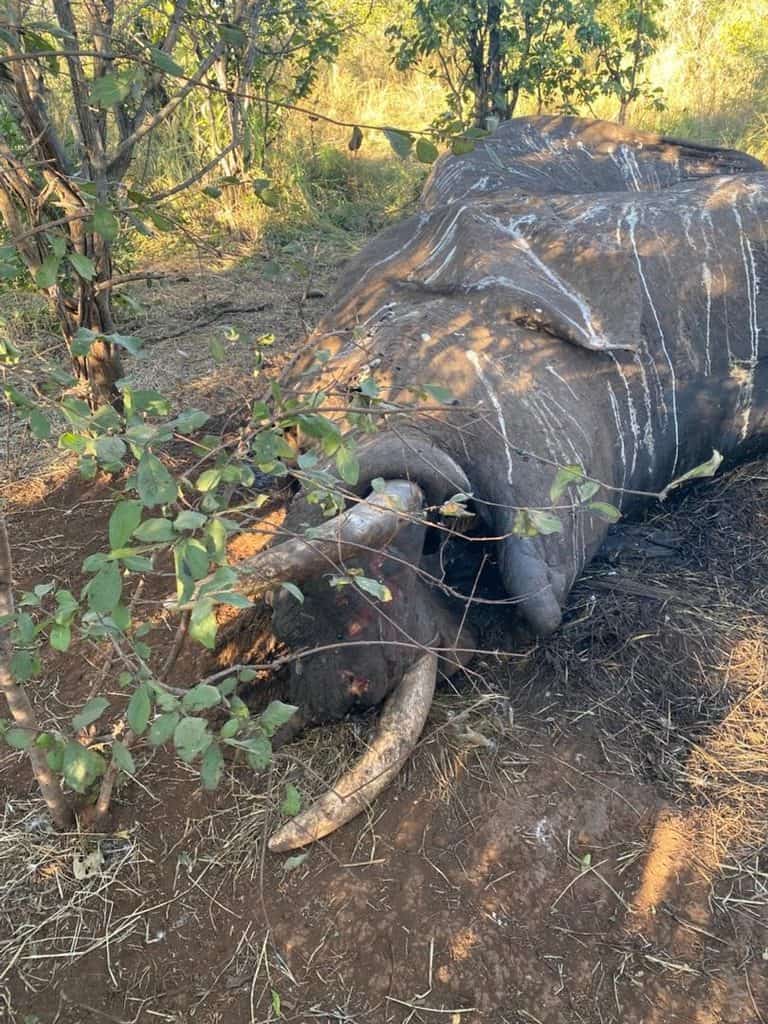
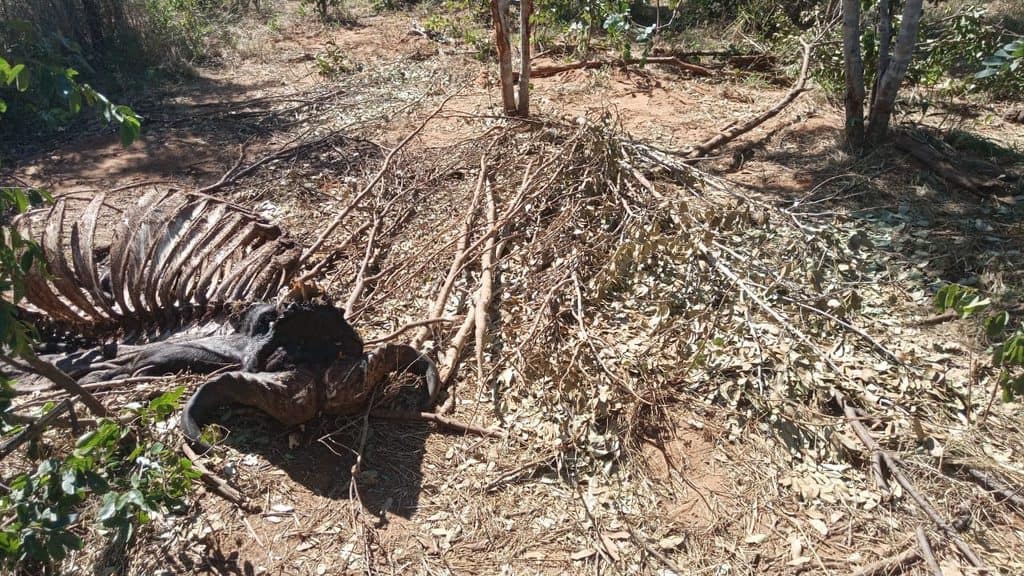
On another sad note, the team reacted to 2 vulture reports. The first was deep into the Park and the second was within the City limits of the new Masuwe development area. In both instances elephant carcasses were found. Investigations did not reveal any obvious cause of death with ivory intact and no indications of poaching. Both cases were of adult male elephants and samples were taken by the Wildlife Trust Vets to assertain a cause of death. At this stage they have been deemed natural.
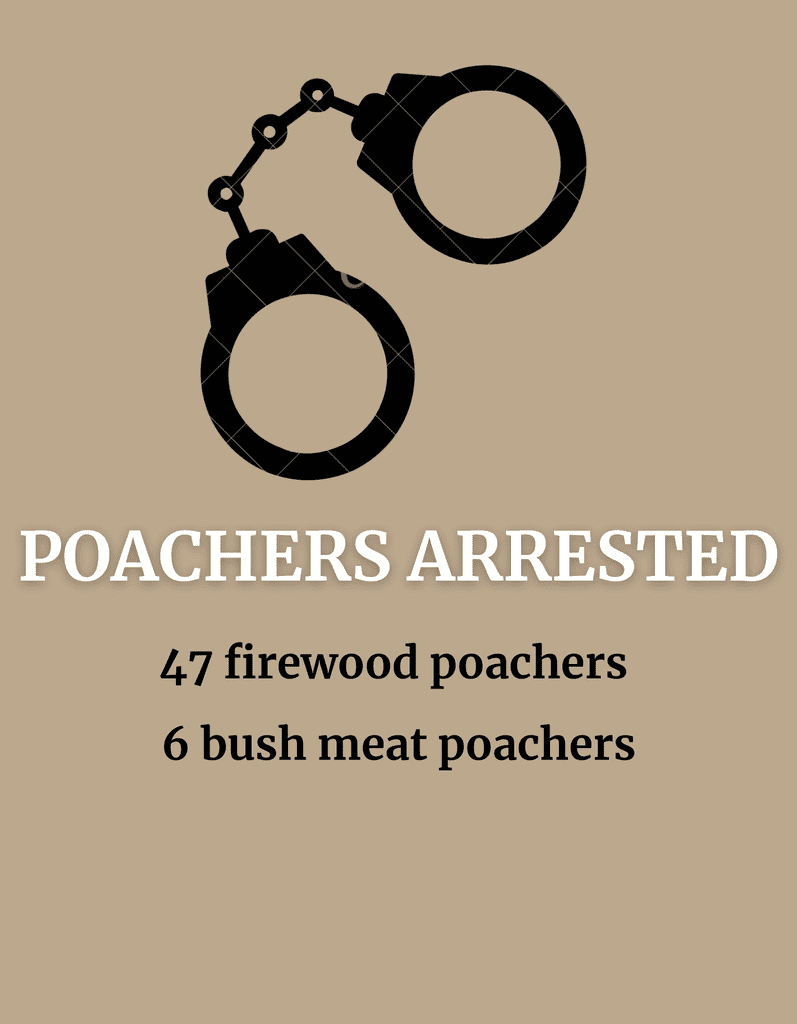
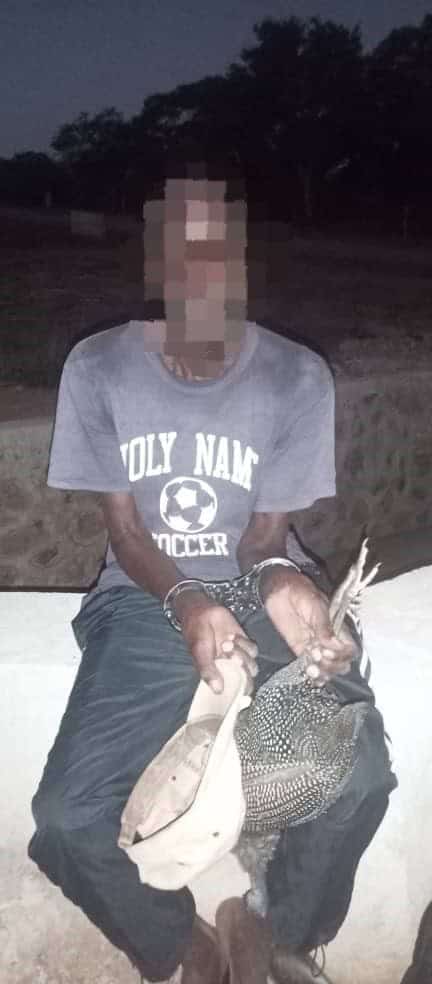
Whilst the threat has certainly increased over the last couple of months, the team has responded well and had some good wins. Sadly, all of the bush meat arrests were made after the loss of animal life. Whilst this is sad, it does drastically add evidence to the case and help with better convictions.
The major arrests for us came rather unexpectadly. Following reports of a buffalo carcass discovered, the team went to the scene to further investigate the method used to snare the buffalo. Understanding if the “herding” method was used or if it was the more traditional set a snare and wait method. Understanding this helps with developing a suspect base.
We quickly came onto the distinct trail of a buffalo herd running through the bush. This, together with other signs clearly highlighted that the “herding” method had been used.
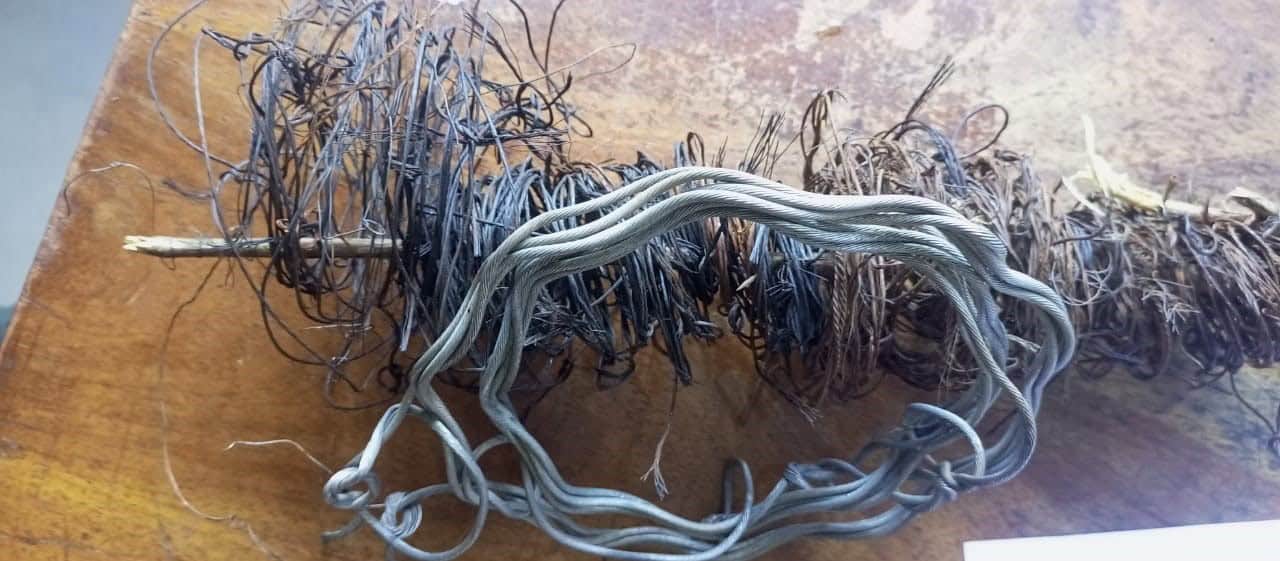
We followed the clear trail which led in the direction of where the carcass was discovered. As we were about to reach the scene, two individuals were discovered crouched down in the bush. They saw us just as we spotted them and they fled. Thanks to the athletasism of the Rangers, one individual was apprehended. A follow up of where they had been crouched down revealed some unravelled cable snares.
Signs on the ground showed that these had been hidden in a sack at the base of a tree. The snares also showed signs of having been successful in catching something recently. Our belief is that these snares had been used to kill the buffalo several days earlier, and the poachers had now returned to retrieve them and possibly use them to cause further distruction.
Regardless, it was a good win for conservation.
HIGHLIGHT OF THE MONTH
The major highlight of the period for us has been how we have reacted to the greatly increased threat. Sadly, losses will happen and poaching will never truly be eliminated. All we can do is try our best to mitigate the threat as best we can.
Poaching has increased, but the majority of culprits have not gotten away with it. Days of ambush, stealth and surveillence and sheer grit and determination have enabled the team to bring many of those that are intent on casuing harm to our animals to justice. This effort, combined with a fantastic working relationship with the Authorties has led to some decent convictions and penalties.
Of the arrests made during this period, all but one have been finalised at the courts with an accumulated 54 months of prison time being issued across the accused persons. This sends a string message to all who would seek to do harm to our wildlife. We will catch you, and you will be punished for your crimes!